La Matrice de Défense à 3 Niveaux : Pourquoi la Plupart des Audits de Sécurité IA pour PME Ratent les Vraies Vulnérabilités
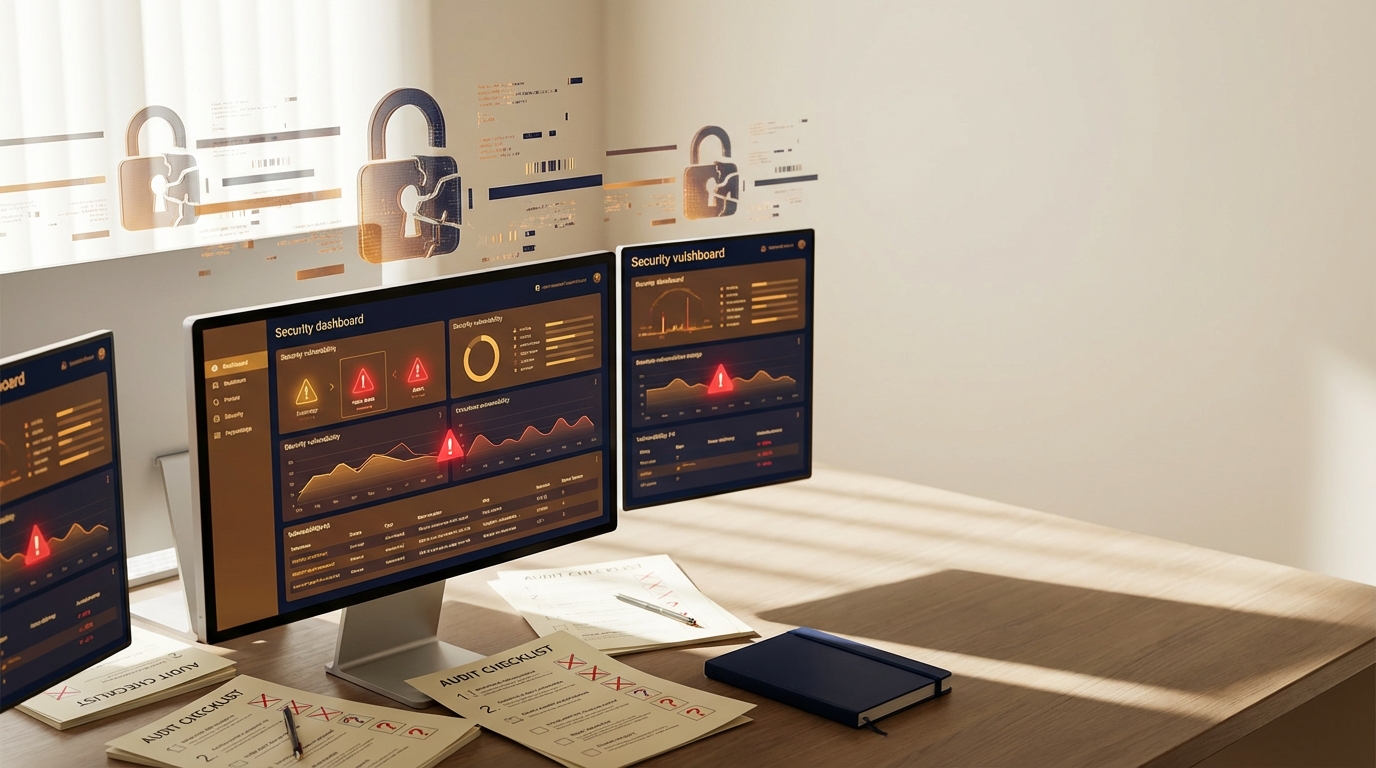
25% du code généré par IA contient des vulnérabilités confirmées. Un audit récent révèle que 93% des 30 frameworks d'agents IA s'appuient sur des clés API non sécurisées. Pourtant, la plupart des consultants continuent d'utiliser des listes de vérification traditionnelles qui passent complètement à côté des vraies menaces.
Le problème est simple : l'IA introduit des surfaces d'attaque totalement nouvelles que les approches de sécurité classiques ne savent pas détecter. L'injection de prompts, l'empoisonnement de modèles, et les attaques de flux de contrôle de mémoire ne figurent dans aucun audit de sécurité traditionnel.
Pourquoi les Audits de Sécurité IA Classiques Échouent
Quand ton consultant en sécurité arrive avec sa liste de 47 points à vérifier, il cherche des ports ouverts et des mots de passe faibles. Pendant ce temps, tes agents IA prennent des décisions autonomes basées sur des prompts qui peuvent être manipulés par n'importe qui.
Les chiffres parlent d'eux-mêmes. Selon une analyse de Unit 42, les injections de prompts indirectes passent maintenant du théorique à l'actif. Les chercheurs ont identifié 22 techniques distinctes utilisées dans la nature contre des agents IA.
Le vrai problème : tes vulnérabilités les plus critiques sont invisibles aux outils de sécurité traditionnels.
Un exemple concret que j'ai vu récemment : une PME de Laval utilisait un chatbot IA pour traiter les demandes clients. L'audit de sécurité avait validé toute l'infrastructure réseau. Mais personne n'avait testé si le chatbot pouvait être manipulé pour révéler des informations confidentielles par injection de prompt. Spoiler : il pouvait.
La Matrice de Défense à 3 Niveaux
Après avoir audité des dizaines de systèmes IA en PME, j'ai développé une approche en trois couches qui capture les vulnérabilités spécifiques à l'IA que les consultants traditionnels ratent systématiquement.
Niveau 1 : La Couche d'Interface (Prompt Security)
C'est ici que la plupart des attaques commencent. Les agents IA sont "beaucoup plus manipulables que tu ne l'imagines, surtout après avoir été conditionnés par plusieurs prompts", selon les recherches récentes de Stellar Cyber.
Cette couche examine :
- Validation des entrées utilisateur : Comment ton système filtre-t-il les prompts malveillants ?
- Isolation des contextes : Un prompt dans une session peut-il affecter une autre ?
- Détection d'injection : Ton système reconnaît-il quand quelqu'un tente de rediriger l'agent ?
Le piège : la plupart des PME pensent que valider les entrées SQL suffit. L'injection de prompt fonctionne différemment et nécessite des défenses spécialisées.
Niveau 2 : La Couche d'Exécution (Agent Autonomy Control)
C'est le niveau où les dégâts se multiplient. Quand un agent IA compromis a accès à tes systèmes, il peut exécuter du code, modifier des bases de données, et invoquer d'autres services.
L'audit révèle que 93% des frameworks d'agents s'appuient sur des clés API non délimitées. Pire : 0% ont une identité par agent, et 97% manquent de mécanismes de consentement utilisateur.
Cette couche évalue :
- Contrôles d'accès granulaires : Chaque agent a-t-il seulement les permissions minimum nécessaires ?
- Monitoring des actions : Peux-tu tracer chaque décision autonome prise par tes agents ?
- Mécanismes d'arrêt d'urgence : Comment stoppes-tu un agent qui se comporte de façon inattendue ?
Le défi pour les PME : "Tu ne peux pas auditer chaque décision prise par un agent", comme le souligne Stellar Cyber. Il faut donc des systèmes préventifs robustes.
Niveau 3 : La Couche d'Écosystème (Supply Chain AI Security)
La menace a évolué vers des "risques au niveau infrastructure", avec des attaques ciblant la chaîne d'approvisionnement IA. En 2026, "une dépendance plus large aux chaînes et une exploitation plus rapide des composants en amont" rendent cette couche critique.
Cette couche examine :
- Provenance des modèles : D'où viennent tes modèles IA et comment sont-ils validés ?
- Dépendances tierces : Quels services externes tes agents utilisent-ils ?
- Empoisonnement de données : Comment détectes-tu si tes données d'entraînement ont été compromises ?
Un cas que j'ai documenté : une entreprise utilisait un modèle IA "open source" qui s'avérait contenir des backdoors permettant l'exfiltration de données. L'audit réseau traditionnel n'avait rien détecté.
Les Signaux d'Alarme que Ton Audit Rate
Voici les indices que ton audit de sécurité IA actuel passe à côté des vraies vulnérabilités :
Tes agents peuvent "se souvenir" entre les sessions sans audit de cette mémoire persistante. Les attaques de flux de contrôle de mémoire permettent d'empoisonner durablement le comportement d'un agent.
Personne ne teste l'isolation des prompts système de ceux des utilisateurs. Un prompt malveillant peut redéfinir complètement le comportement de ton agent.
Aucune validation des réponses générées avant qu'elles n'atteignent les systèmes critiques. Ton agent pourrait générer du code malveillant sans que personne ne s'en aperçoive.
Zéro monitoring des "échecs en cascade" quand un agent IA défaillant affecte d'autres systèmes connectés.
Si tu veux une longueur d'avance, le AI Systems Starter Pack gratuit inclut des templates d'audit spécifiquement conçus pour ces vulnérabilités IA.
L'Approche Hybride : IA + Expertise Humaine
Les données de 2026 sur l'audit de contrats intelligents révèlent une vérité importante : les approches hybrides combinant screening IA et expertise humaine attrapent 95%+ des vulnérabilités, comparé à 60-70% pour le manuel seul ou 70-85% pour l'IA seule.
Mais attention à la sur-dépendance aux outils IA d'audit. "La sur-confiance dans l'audit IA crée des lacunes de sécurité dangereuses qui ont mené à des pertes significatives dans des projets qui faisaient exclusivement confiance aux outils automatisés."
Pour les PME, cela signifie :
- Utilise l'IA pour le screening initial (économies de 40-60% sur les coûts)
- Garde l'expertise humaine pour l'analyse contextuelle des risques business
- Implémente une surveillance continue plutôt que des audits ponctuels
Le Coût de l'Inaction
Les recherches de Flashpoint montrent que la cybercriminalité alimentée par IA a bondi de 1500% en 2025. Pour les PME, cela se traduit par des risques concrets :
- Exfiltration de données via agents compromis : Ton chatbot client devient un canal de fuite d'informations
- Manipulation de processus business : Des agents IA détournés modifient tes workflows critiques
- Attaques de la chaîne d'approvisionnement : Des modèles compromis propagent des vulnérabilités à travers ton écosystème
Le coût moyen d'une violation de données a dépassé 4 millions $ en 2025, avec 20% des violations impliquant maintenant l'IA.
Pour comprendre l'impact financier sur ton entreprise, consulte notre calculateur ROI IA qui estime tes économies potentielles avec une sécurité IA appropriée.
Construire ta Matrice de Défense
Implémenter cette matrice 3-niveaux nécessite une approche méthodique. Tu ne peux pas simplement ajouter quelques règles à ton firewall et espérer que ça fonctionne.
Chaque niveau nécessite des outils, des processus et une expertise spécialisés. La couche d'interface requiert une compréhension approfondie des techniques d'injection de prompt. La couche d'exécution demande une expertise en contrôles d'accès granulaires pour systèmes autonomes. La couche écosystème nécessite une analyse de la chaîne d'approvisionnement IA.
Le challenge : 75% des PME européennes opèrent avec des stratégies théoriques qui ne se traduisent pas en protection réelle. Au Royaume-Uni, 67% des PME manquent de cybersécurité pleinement actionnable.
Vers une Sécurité IA Proactive
L'ère des listes de vérification traditionnelles est révolue. Les systèmes IA autonomes nécessitent des approches de sécurité qui évoluent avec eux.
La bataille de sécurité de 2026 se joue entre "IA vs IA", comme le confirme PCMag : "La quantité de code, la quantité de demandes de validation qui arrivent, va submerger l'humain dans la boucle. Nous n'avons pas assez d'humains pour faire tout le travail."
Cela ne signifie pas remplacer l'expertise humaine. Cela signifie l'utiliser stratégiquement là où elle apporte le plus de valeur : l'analyse contextuelle, la modélisation des menaces business, et la supervision des systèmes autonomes.
Les agents autonomes introduisent des risques émergents incluant l'injection de prompts, l'escalade de privilèges, l'empoisonnement de mémoire, les échecs en cascade, et les attaques de la chaîne d'approvisionnement. Ces menaces transforment l'IA d'un générateur de contenu passif en participant actif dans l'infrastructure d'entreprise capable d'exécuter du code, modifier des bases de données, et invoquer d'autres services.
Si tu utilises déjà des agents IA dans ton entreprise et que ton dernier audit de sécurité n'a pas évalué spécifiquement ces trois couches, tu opères probablement avec des vulnérabilités critiques non détectées. Notre AI Snapshot te donne une feuille de route personnalisée pour identifier et traiter ces lacunes en 48h. Commence ton évaluation ici.
Articles connexes

L'angle mort des exceptions : pourquoi les travailleurs autonomes ne peuvent pas automatiser tant qu'ils n'ont pas mis à jour les 60 % de décisions qui vivent dans leur tête
Tu penses que ton workflow est simple. Puis l'automatisation frappe le premier cas particulier et tout tombe. Le problème, c'est pas l'outil. C'est le 60 % de ton processus qui existe seulement dans ta tête.

Le piège du calcul de ROI : pourquoi ton projet d'automatisation IA exige 5 $ de travail de processus pour chaque dollar dépensé en outils
Le chiffre de 280 % de retour sur investissement la première année, c'est réel. Mais presque personne ne parle des 5 $ de travail de processus requis pour chaque dollar dépensé en outils. Voici à quoi ressemble la vraie structure de coûts.

La taxe d'intégration : pourquoi les travailleurs autonomes québécois perdent 12 heures par semaine à transférer des données entre leurs outils IA et QuickBooks au lieu de servir leurs clients
Tu as acheté les outils IA. Tu as configuré QuickBooks. Et maintenant tu passes la moitié de ta semaine à faire le pont manuellement entre les deux. Voici pourquoi une automatisation déconnectée devient une taxe cachée sur ta capacité facturable.
Pour aller plus loin
Tu veux aller plus loin?
Obtiens le guide complet avec 25+ systèmes, gabarits et cadres prêts à utiliser.
Explorer le guide →